

2026 PAEC General Assembly Reinforces Education, Governance, and Regional Collaboration Across the Americas
March 25, 2026 - Wellington, FL
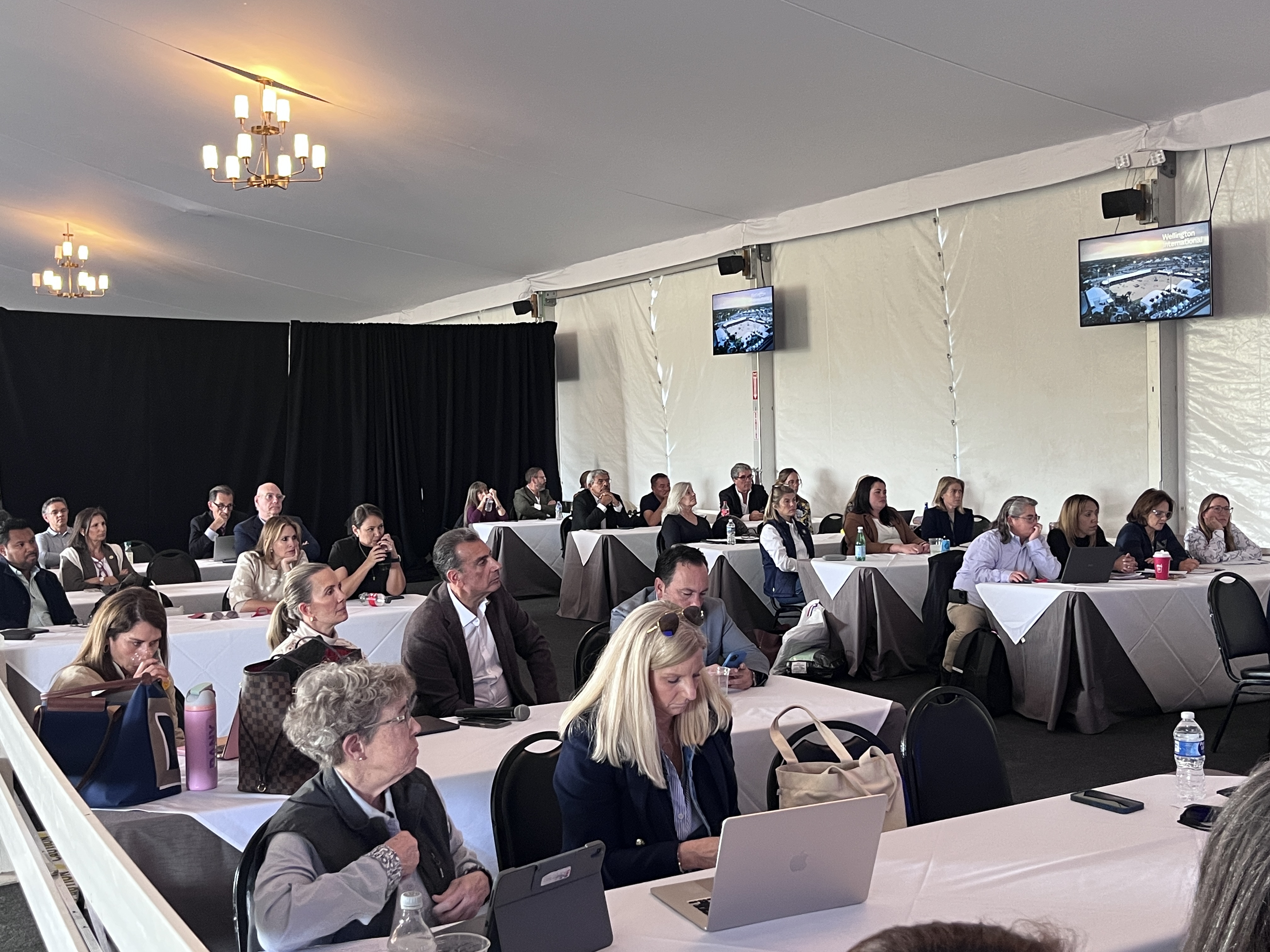
Photo courtesy of PAEC
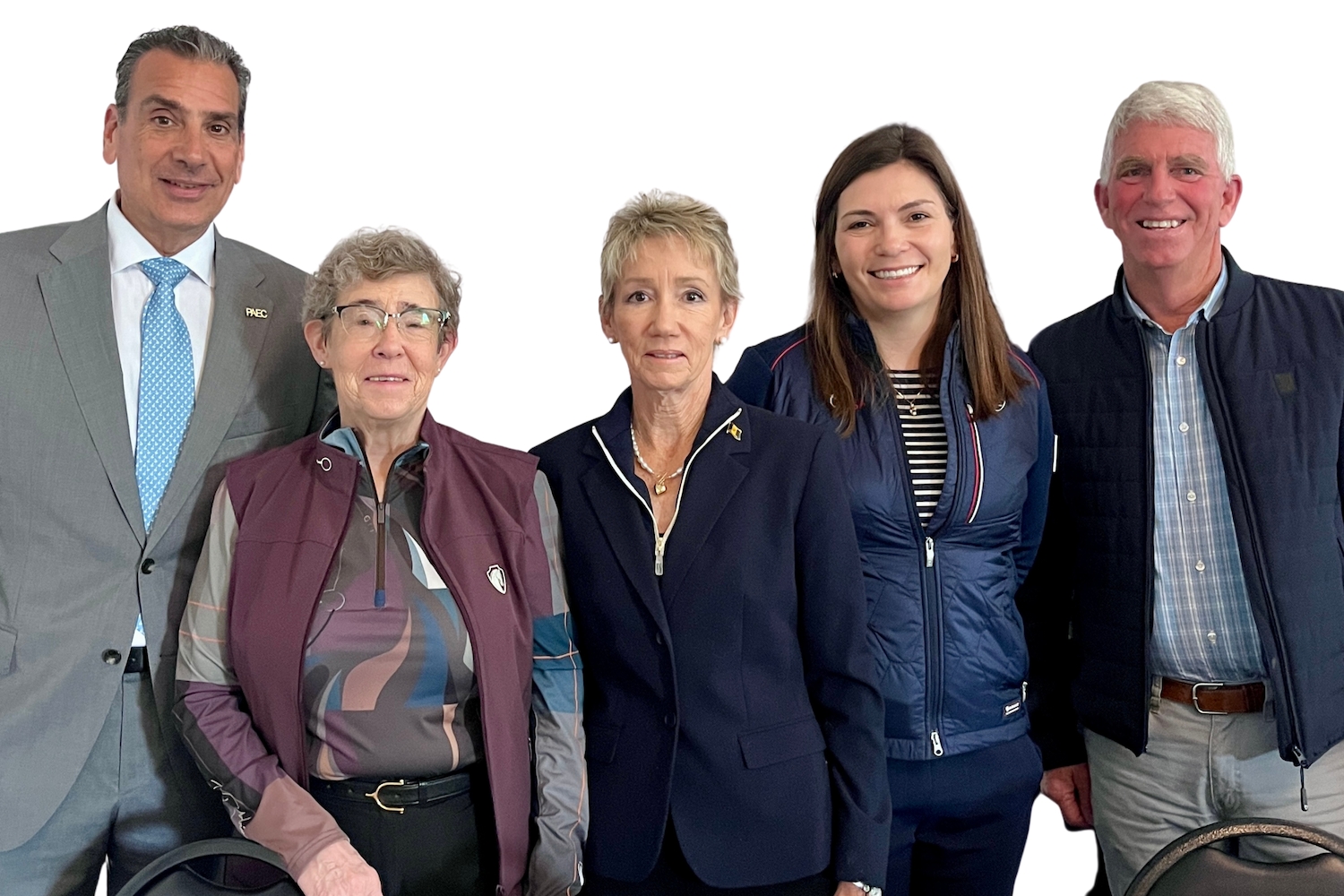
Photo courtesy of PAEC
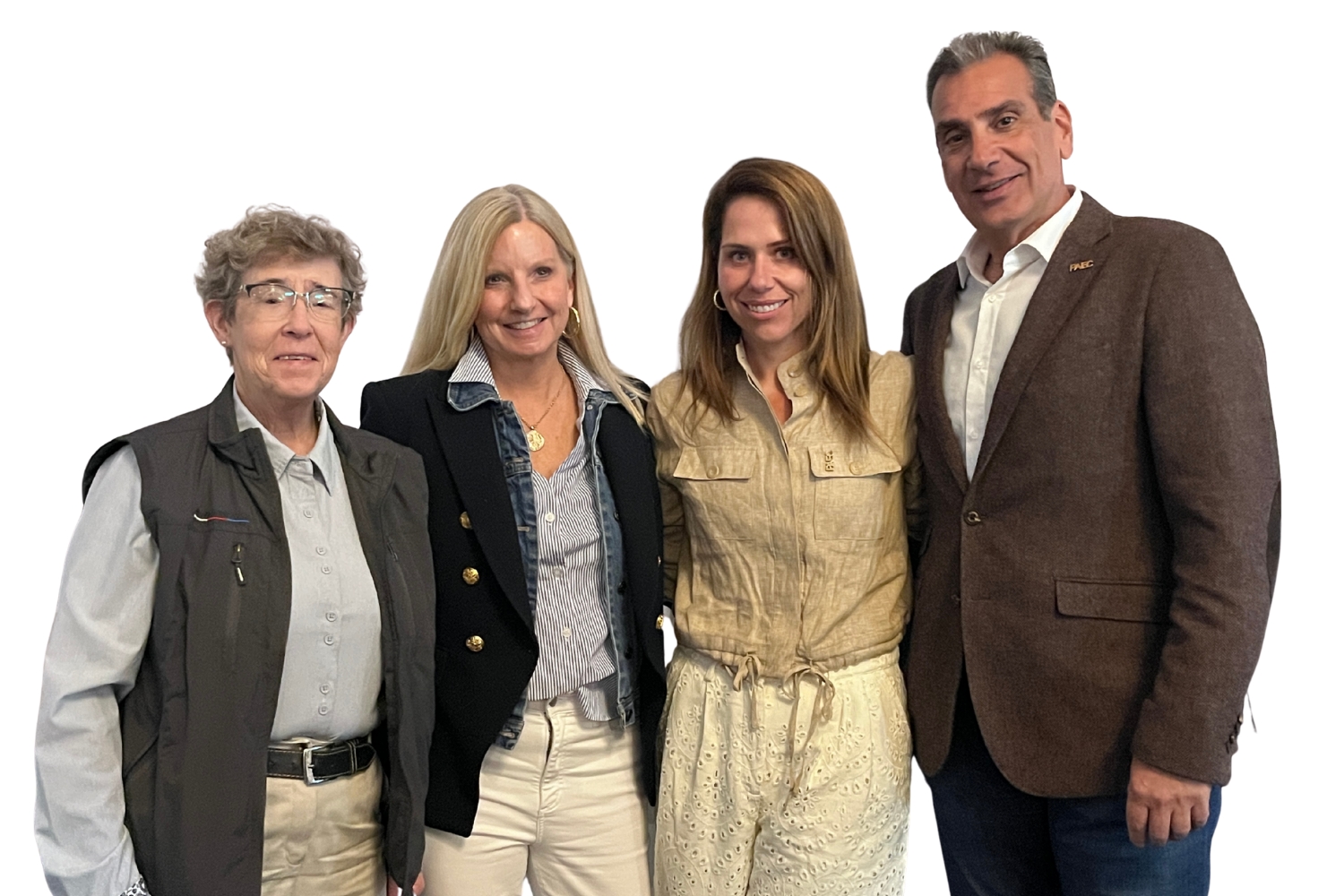
Photo courtesy of PAEC
PAEC Academy Adds Invaluable Benefits for Participants
The Pan American Equestrian Confederation (PAEC) accelerated its mission to strengthen governance, expand educational initiatives, and create sustainable development opportunities for equestrian sport throughout the Americas at its 2026 General Assembly (GA), held at Wellington International in Wellington, FL, on February 25–26.
Fostering collaboration under the guiding principle of “the Americas ride together,” the 2026 PAEC General Assembly united representatives from 26 of its 30 member National Federations (NFs) in person – plus three more NFs via proxy – for two days of structured dialogue, knowledge exchange, and collective decision-making focused on governance, institutional strengthening, and sustainable sport development.
Throughout the GA’s deliberations, a clear theme emerged: the sustainable future of equestrian sport in the Americas depends on governance, integrity, horse wellbeing, inclusion, and structured regional cooperation.
“The Americas ride together is more than a message — it reflects our commitment to creating opportunities for all stakeholders across the region,” said PAEC President Cesar Hirsch at the opening of the 2026 General Assembly. “Through collaboration, education, and shared responsibility, we continue to strengthen equestrian sport throughout the Americas.”
The current PAEC Executive Board, representing Fédération Equestre Internationale (FEI) groups across the Americas and ensuring balanced regional governance, is composed of:
• Cesar Hirsch (VEN) – President
• Monique Archer (BAR) – FEI Chair, Group IV
• Tom O’Mara (USA) – Group IV Representative
• Daniela Garcia Nigaglioni (MEX) – FEI Chair, Group V
• Esteban Abedrabo (ECU) – FEI Chair, Group VI
• Luiz Roberto Giugni (BRA) – Group VI Representative
• Tiffany Foster (CAN) – Athlete Representative
PAEC Academy
Education was a major focus of this year’s GA. Launched in early 2026, PAEC Academy has already completed its first two courses with 215 participants from across the Americas. With more programs planned, the Academy reinforces PAEC’s long-term commitment to capacity building, professional development, and stronger National Federation structures.
Horse Wellbeing, Integrity, and Clean Sport
A comprehensive session on wellbeing and integrity was delivered by US Equestrian (USEF) Legal Counsel Sonja Keating, FEI Level 4 Steward Lisa Gorretta, and International Testing Agency (ITA) Certified International Clean Sport Educator Daniela Garcia.
The discussion outlined strengthened disciplinary frameworks, expanded reporting systems, and educational initiatives designed to promote transparency and accountability within National Federations.
From the athlete integrity perspective, the ITA framework was reviewed, emphasizing compliance responsibilities, preventive education, and the shared obligation of athletes and support personnel in maintaining clean sport standards. The session reinforced that protecting horse wellbeing and preserving integrity requires clear procedures, institutional clarity, and collective responsibility.
Para-Equestrian Growth and Inclusion
Equine Canada High Performance Director James Hood presented strategies to expand para-dressage participation across the Americas, emphasizing inclusive development pathways and integration within National Federation structures.
The session addressed classification principles, access to competitions, and collaboration opportunities ahead of major upcoming events, including the 2028 Los Angeles Paralympic Games. The discussion underscored the significant growth potential and the importance of structured inclusion within long-term sport development frameworks.
Coaching Excellence, Wellbeing, and Institutional Responsibility
PAEC Sport Development Officer Jaime Morillo (ECU) and FEI Coaching Consultant Liam Moggan (IRL) led a session focused on coaching systems as a cornerstone of sport sustainability and horse wellbeing. Against a backdrop of increasing public scrutiny, the workshop reinforced the need for structured coach education and ethical training environments to safeguard the sport’s social license to operate. The expansion of educational frameworks for coaches and riders was presented as a key step in strengthening long-term standards and reinforcing professionalism across the region.
FEI Dressage Rules – Working Group Update
The FEI Dressage Rules Working Group update was presented by George Williams (USA) of the FEI Dressage Strategic Working Group, US Equestrian Director of Sport Hallye Griffin (USA), Pan American Games athlete Roberta Foster (BAR), and Lisa Gorretta (USA). The group shared the outcomes of an analysis of proposed rule revisions, with discussions centered on horse wellbeing, fairness, modernization, and public perception.
In accordance with the established regulatory timeline, the proposals were formally submitted to the FEI before the March 1 deadline and will be considered within the official FEI rule revision process ahead of the FEI General Assembly in December 2026.
Sustainable Eventing Development
Alec Lochore (GBR), Cross-Country Course Designer for the 2028 Los Angeles Olympic Games, presented practical strategies for developing sustainable eventing programs in emerging Federations. Emphasizing accessibility and long-term structure, the session explored adaptable models designed to expand participation while maintaining safety and wellbeing standards. The discussion highlighted the importance of consistent opportunities, education, and collaboration as drivers of responsible growth within the discipline.
Developing Sustainable Competition Structures
Mexican Equestrian Federation High Performance Director Rafael David presented a case study on the structured development of CSI competitions, demonstrating how clearly defined governance roles and professional event management can support sustainable growth.
The model highlighted the importance of empowering organizing committees, maintaining strict regulatory oversight, professionalizing standards for officials, and creating competitive pathways that expand access while safeguarding fairness and credibility.
Institutional Communication and Digital Strategy
Ana Prado (MEX), equestrian journalist and communications specialist, concluded the workshop program with a session focused on institutional storytelling and digital engagement. The presentation emphasized responsible communication, credibility, and the strategic use of digital platforms to strengthen stakeholder trust and long-term visibility within the equestrian ecosystem.
A Unified Regional Commitment
During the General Assembly, the delegation addressed updates on regional multi-sport games, reviewed and approved the 2026 financials, approval of the revised and modernized statutes, Pan American Games qualification, previewed the new PAEC website, and outlined the continued expansion of PAEC Academy.
As the Americas prepare for upcoming Olympic and Paralympic cycles, PAEC remains focused on generating practical opportunities that strengthen institutions and support stakeholders throughout the continents.
The Americas ride together — not as a statement, but as a commitment.
About Pan American Equestrian Confederation
The Pan American Equestrian Confederation (PAEC) represents National Equestrian Federations across the Americas, serving as the official regional body recognized by the Fédération Equestre Internationale (FEI) and Panam Sports. PAEC promotes governance, development, and structured regional cooperation to advance equestrian sport and safeguard horse wellbeing throughout the continent.